






Understanding the Early Signs of Periodontal Damage
Many patients are surprised to learn that periodontal disease can progress quietly before obvious symptoms appear. A family dentist often identifies early signs during routine dental examinations, even when patients are not experiencing pain. In Bellevue, WA, periodontal therapy often begins after signs of gum inflammation, recession, bleeding, or bone deterioration become visible on diagnostic tests.
Bone loss caused by periodontal disease develops when bacteria beneath the gumline begin affecting the supporting structures around the teeth. As the infection progresses, the jawbone can gradually deteriorate, weakening the stability of the teeth over time. Identifying these changes early allows us to recommend periodontal therapy before the condition advances further.
How Dental X-Rays Help Detect Bone Loss
Looking Beneath the Gumline
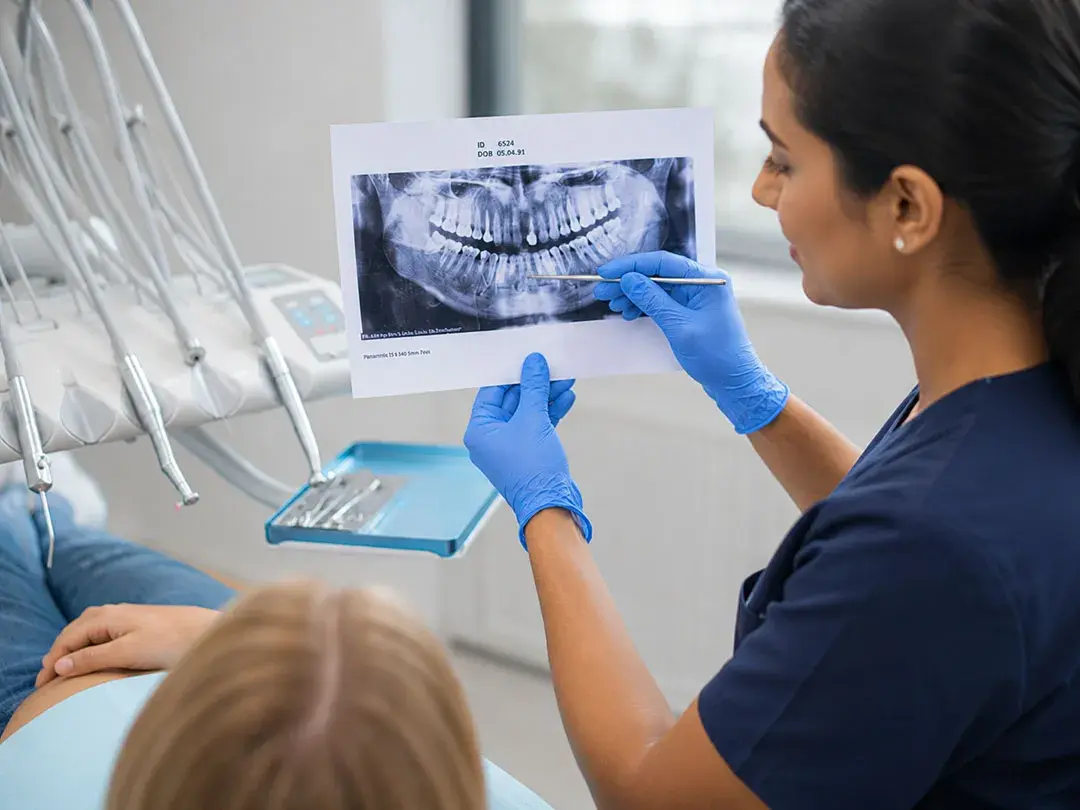
Dental X-rays are critical for diagnosing periodontal disease because they allow us to visualize structures we can’t see during a standard visual exam. To the naked eye, the gums may look healthy, but X-rays can show areas where the bone support around the teeth is already starting to break down.
A family dentist uses the images to look at the height and density of the bone around each tooth. In healthy conditions, the bone fits snugly around the roots of the teeth. As periodontal disease advances, the bone level may begin to recede from the root structure. By comparing current X-rays with previous records, we can also detect changes that might have developed slowly over time.
Identifying Patterns of Damage
Bone loss does not always occur in equal amounts throughout the mouth. In some patients, localized deterioration may occur around certain teeth, and in others, more generalized periodontal problems. X-rays help us find out the severity and location of damage so that we can plan periodontal therapy more accurately.
Patients often ask if bone loss can be fully reversed. Often, the goal of the treatment is to control infection and to slow further deterioration, rather than to naturally rebuild all the lost bone. Early diagnosis usually leads to better treatment results.
The Role of Periodontal Probing During Exams
Measuring Gum Pocket Depth
Another common way to diagnose gum disease and bone loss is periodontal probing. As we perform this procedure, we use a small dental instrument to measure the depth of the spaces between the teeth and the gums. Generally speaking, healthy gums are tight around the teeth and have shallow pocket depths.
As periodontal disease advances, bacteria go deeper under the gumline, and the pockets become larger. When pocket depths increase, it indicates that the infection has involved the supporting bone and connective tissue around the teeth.
When you hear the words “periodontal probing,” it’s normal for patients to feel a little nervous, but the procedure itself is usually quick and straightforward. The measurements provide useful information for a family dentist to monitor changes in gum health over time.
Monitoring Disease Progression
We can measure the gum pockets to see whether the periodontal disease is stable or still progressing. These measurements, combined with X-rays and clinical observations, give a more complete picture of the patient’s overall periodontal health.
In some cases, patients have deep pockets with minimal discomfort. That’s part of why regular dental check-ups are still important, even if the symptoms are small. Many periodontal diseases develop slowly and don’t hurt at first.
Why Early Periodontal Therapy Matters
Protecting Teeth and Supporting Structures
Periodontal therapy aims to control infection, minimize inflammation, and preserve remaining bone around the teeth. Depending on the severity of the condition, treatment recommendations can include deep-cleaning procedures, improved home care, and regular periodontal maintenance visits.
Patients who put off treatment may experience further bone loss, loose teeth, gum recession, and other oral health problems. Often, a family dentist can spot warning signs early enough to prevent patients from developing more serious dental problems.
Many patients come in for periodontal therapy after they see their gums bleed or have persistent bad breath. They may appear as minor symptoms at first, but they could be a sign of underlying periodontal disease that requires professional care.
Frequently Asked Questions
How do dentists detect bone loss from periodontal disease?
Dentists use dental X-rays, periodontal probing, and gum pocket measurements to identify bone deterioration and gum disease progression.
Can periodontal disease cause tooth loss?
Yes. Advanced periodontal disease can weaken the bone and tissue supporting the teeth, eventually leading to tooth mobility and tooth loss.
Are dental X-rays necessary for periodontal therapy?
Dental X-rays allow a family dentist to evaluate bone levels beneath the gums and identify damage that cannot be seen during a visual examination.
What are common signs of periodontal disease?
Bleeding gums, bad breath, gum recession, swollen gums, and tooth sensitivity are common symptoms associated with periodontal disease.
Schedule a Periodontal Evaluation With Our Team
If you have noticed signs of gum disease or have concerns about bone loss, our team is here to help. We provide periodontal therapy and preventive dental care for patients seeking a trusted family dentist in Bellevue, WA. Contact us today to schedule an examination and learn more about protecting your oral health.
Picture Source: AI-generated