





Oral health often reflects what is happening beneath the surface, especially in the jawbone that supports every tooth. As family dentists, we frequently see how consistent preventive care shapes long-term outcomes. Patients who maintain routine dental cleanings tend to preserve not only their teeth but also the underlying bone structure. Bone loss in the jaw does not occur overnight, yet it often progresses quietly when plaque and inflammation are left unmanaged. Our approach focuses on early intervention and steady maintenance to help patients protect both their smiles and their overall oral health.
Understanding the Connection Between Gum Health and Bone Structure
Healthy gum tissue is needed to support and protect the jawbone. Buildup of plaque along the gumline may cause inflammation that can lead to periodontal disease. Over time, this inflammation damages the ligaments and bones that support your teeth. When these structures begin to break down, bone loss can occur and may eventually lead to tooth mobility or loss.
We often tell patients that bone loss is more than a cosmetic problem. It has a direct impact on oral function, bite alignment, and facial structure. Regular dental cleanings help prevent this process directly by removing the bacteria that cause inflammation before it can cause permanent damage.
How Professional Cleanings Interrupt Disease Progression
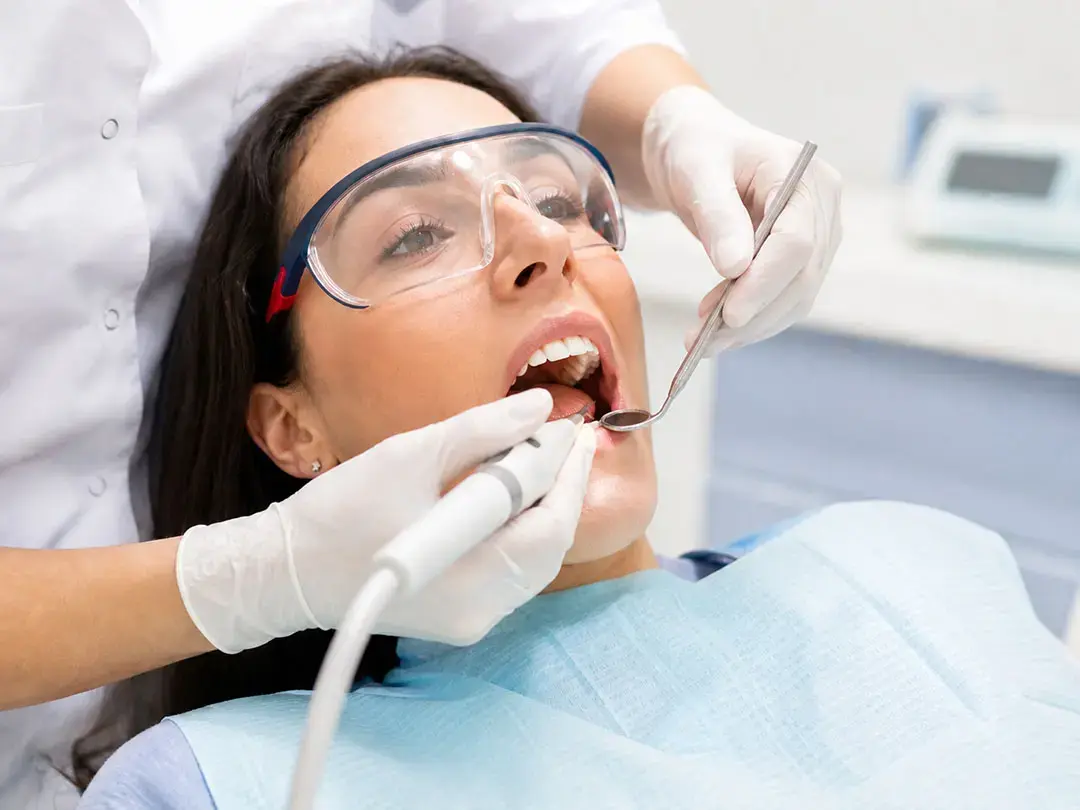
Professional dental cleanings can do things that daily brushing and flossing can’t. Even the best home care may not prevent plaque from hardening into tartar in hard-to-reach areas. Tartar, once formed, cannot be removed without specialized tools.
During routine cleanings, we carefully remove plaque and tartar buildup, especially beneath the gumline where periodontal disease begins. This slows the bacteria down and allows the gum tissue to heal. This healing process helps to maintain the strength of the bone that supports the teeth.
Patients often say their gums are less sensitive and look healthier after frequent visits. As time goes by, the enhancements lead to a more stable foundation for the teeth and a lower risk of bone deterioration.
The Role of Early Detection During Dental Visits
One of the biggest advantages of having regular cleanings is the chance for early detection. At each visit, we check gum health, measure pocket depths, and check for any changes in bone levels. Doctors can spot subtle signs of bone loss long before symptoms are obvious.
When we see early changes, we can recommend targeted treatments such as scaling and root planing or more frequent maintenance visits. Dealing with these concerns early can help slow or even stop any further bone loss.
Routine appointments help prevent patients from needing more complex procedures by addressing problems before they worsen. This proactive approach decreases time and discomfort for the patient and supports long-term oral health.
Daily Habits That Support Professional Care
Daily care is the best way to keep your pet healthy, but professional cleanings are also important. Brushing twice daily, flossing regularly, and using antimicrobial rinses help to control bacteria between visits. These habits will enhance the results of each cleaning and will diminish the chances of the inflammation returning.
We also educate patients on proper brushing techniques and on selecting products appropriate to their individual needs. Small changes to your daily routine can make a big difference in the health of your gums and the preservation of your bone.
Long-Term Benefits of Preventive Dental Care
Patients who concentrate on preventive care usually have fewer complications as they get older. Healthy gums and stable bone levels support natural teeth for years to come. Additionally, keeping the bone structure intact can simplify future dental treatments, such as restorations or implants, if required.
We see dental cleanings as part of a broader approach to protecting oral health and overall health. What makes the difference is consistency. If you are even slightly inconsistent, the disease can progress.
Frequently Asked Questions
How often should dental cleanings be scheduled to prevent bone loss?
Most patients benefit from cleanings every six months, though individuals with gum concerns may require more frequent visits based on their condition.
Can bone loss from gum disease be reversed?
Early stages can be managed and stabilized, but advanced bone loss typically cannot be fully restored without specialized treatment.
What are the early signs of bone loss in the jaw?
Common signs include gum recession, increased tooth sensitivity, and slight tooth movement, although many cases develop without noticeable symptoms.
Do dental cleanings help with bad breath related to gum disease?
Yes, removing plaque and bacteria during cleanings often reduces odors caused by infection and inflammation.
Protect Your Smile with Preventive Care
As a family dentist, we emphasize the value of consistent care in preserving both teeth and bone health. If you are in Bellevue, WA, and want to avoid potential issues, we are here to help you maintain a strong, healthy smile. Schedule your visit with us today.
Picture Source: AI-generated